
Short Corners: Why Teams Stopped Crossing Every Ball
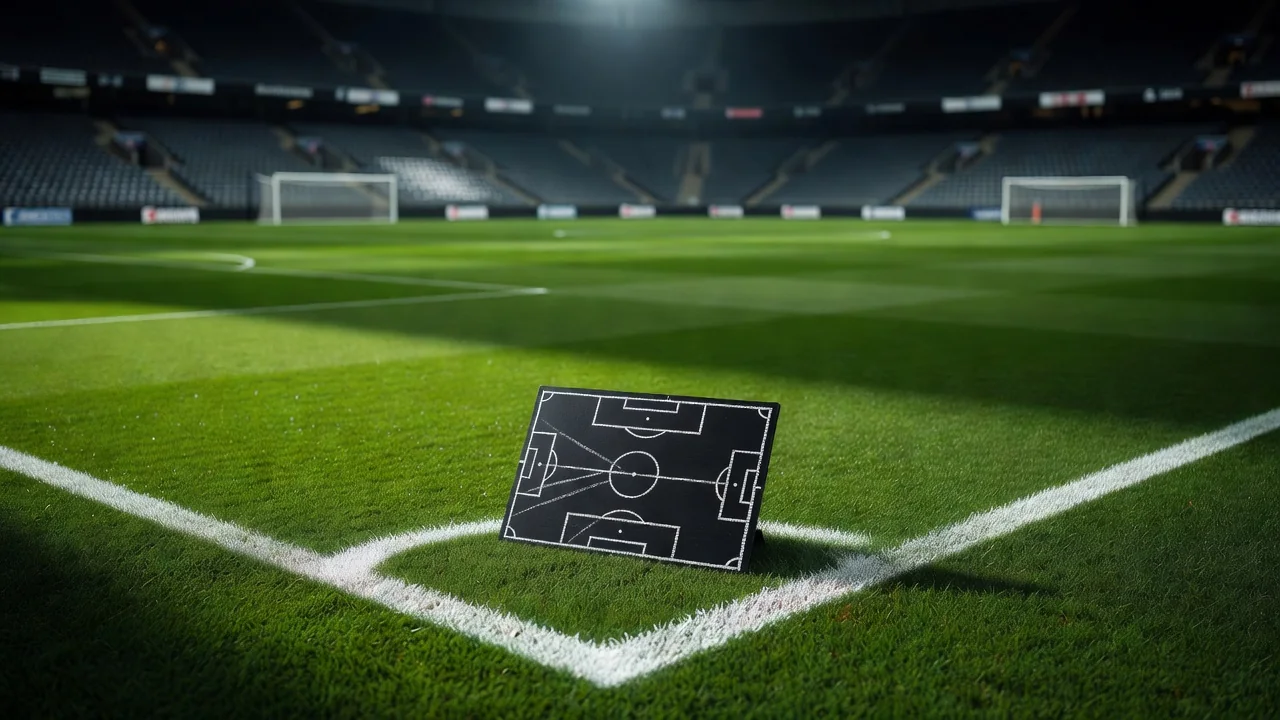
Few sights in football divide a stadium like the short corner. The taker jogs to the arc, the crowd rises for the cross — and he rolls it two metres to a teammate instead. The groan is instant and ancient, passed down through generations of supporters who came to see the ball delivered into the mixer. Yet analytics departments keep choosing the short option, season after season, and they are not doing it to annoy the stands.
The short corner is exactly what it looks like: instead of crossing directly, the taker plays to a nearby teammate, and the attack continues from a new angle. What it really does is change the defence's shape before the delivery — and that, not superstition, is the entire argument.
What the extra pass actually changes
A standard corner attacks a set defence: ten outfield players in the box, every zone occupied, the goalkeeper positioned for the cross. The short corner forces that structure to break. Two defenders must leave the box to confront the two attackers by the flag — or concede an uncontested advance — and every defender who leaves the box thins the crowd the eventual cross must beat. The delivery, when it comes, arrives from a closer, better angle against fewer bodies.
The second effect is subtler. A cross from the arc travels to attackers who are static or backpedalling; a cross after the short pass reaches attackers who have restarted their runs against a defence mid-adjustment. Movement against reorganisation is the foundational bargain of every set-piece routine, and the short corner buys it with one extra pass.
When the short corner makes sense
- The opponent defends zonally and hates being pulled out of position.
- Your best deliverer crosses better from the inside channel than the arc.
- The box is overloaded against you and needs thinning first.
- You want the shooting angle for a cutback to the edge of the area.
- Late in a match you would rather keep the ball than gamble it.
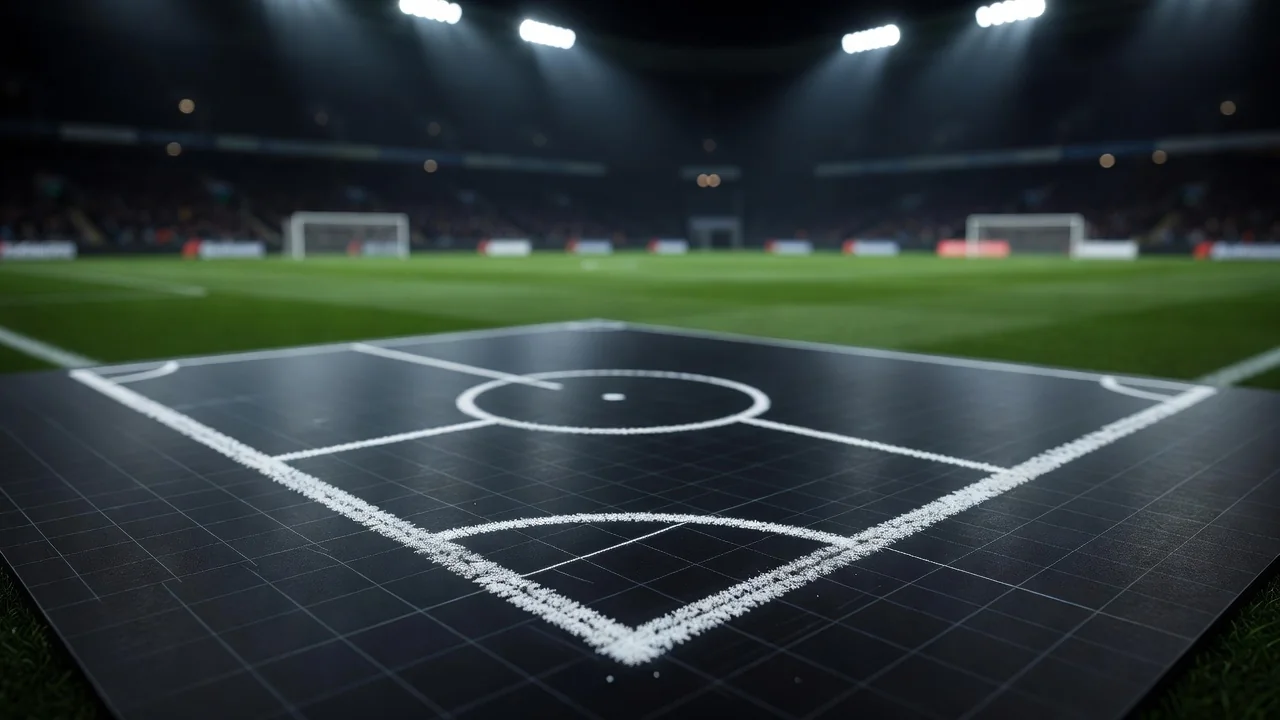
History helps the sceptics too. The short corner is not a data-era invention; sides were playing it decades before expected goals existed, usually to run down the clock or to let a better crosser deliver. What the analytics era changed is not the tool but the confidence: coaches now choose it with numbers behind them, which makes them far less likely to abandon the plan after one loud groan.
The case for the prosecution
The crowd's groan is not pure philistinism — the short corner has real costs, and bad teams pay them weekly. Every short corner is a cross not delivered; teams that lack a genuine plan after the pass end up recycling the ball backwards to polite applause from the away end. Worse, the short corner compresses the risk: lose the ball by the flag with your centre-backs up, and the counter-attack starts with most of your team in the wrong half.
The data-informed verdict is more nuanced than either tribe admits. Direct corners and short corners produce goals at comparable rates across large samples, but the short version's advantage depends entirely on execution quality. It is a tool for sides with the technique and the rehearsal time to exploit the disorganisation it creates — which is precisely why elite clubs use it more than struggling ones, and why its reputation suffers in the hands of teams copying the fashion without the homework.
The defence's answer
Defences have professionalised their response. The standard scheme sends one defender out immediately and holds a second ready, refusing to overcommit; the zonal structure in the box stays intact and simply re-angles toward the new delivery point. Aggressive sides do the opposite, rushing two players at the receiver to win the ball by the flag and launch the counter the short corner invites. The taker's read of which response is coming now shapes the choice before the kick is taken.
| Option | What it offers | What it risks |
|---|---|---|
| Direct cross | One-touch chaos against a set defence | Low conversion against a packed, organised box |
| Short corner | Better angle, thinner crowd, movement vs reset | Counter-attack exposure and wasted deliveries |
| Short then cutback | Edge-of-box shooter against a rushing line | Blocked shots in a recovering crowd |
| Short then recycle | Possession kept when chasing nothing | The crowd, and sometimes the momentum, lost |
There is also a hybrid emerging that may end the debate: the disguised corner. The taker shapes to cross, plays short only when the defence commits, or crosses directly when two defenders rush the receiver. The routine is chosen in real time by the taker reading the response, which means the crowd never knows whether to groan — and the defence never knows whether to charge. Indecision, it turns out, is the most valuable thing a corner can buy.
The short corner will never win the argument in the stands, because its value is invisible until the second ball. But the next time your team plays one, watch the defenders who have to leave the box and the angle the eventual cross comes from. The groan is the price of a plan — and the teams with real ones are happy to pay it.
Keep reading
Corner Kick Routines: How Set-Piece Coaches Design Goals
Blocks, screens and decoy runs — the modern corner is choreographed like a dance. Inside the craft of the set-piece coach.
2026-08-11
Free Kick Tactics: Direct Shots, Layoffs and Decoy Runs
Not every free kick near the box should be shot at goal. The geometry of walls, layoffs and the rehearsed routines behind them.
2026-08-10
Defending Set Pieces: Zonal, Man-Marking or Hybrid?
Every coach has a religion on corners: zonal, man-to-man or a mix. What each system protects, what it risks, and why hybrids won.
2026-08-09