
Corner Kick Routines: How Set-Piece Coaches Design Goals
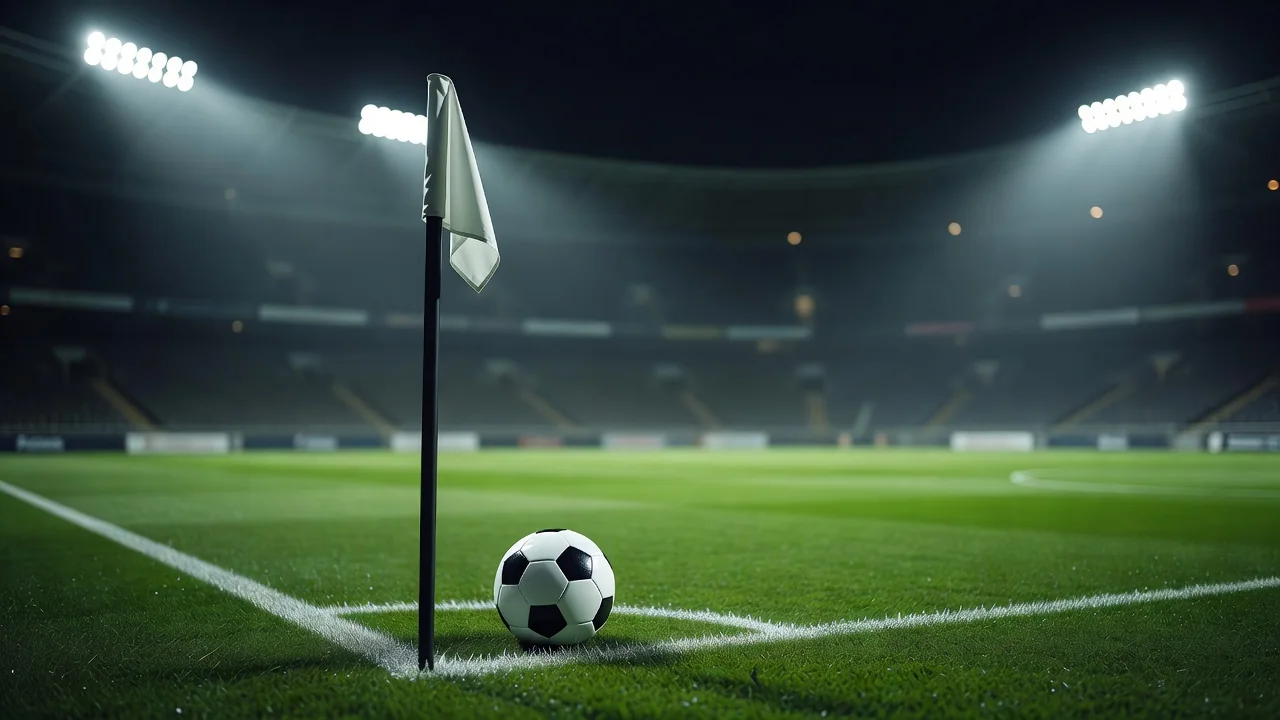
A corner kick used to be simple: the tallest players went into the box, the ball was swung in, and the rest was a wrestling match decided by courage and luck. Then clubs started hiring set-piece coaches, and the corner turned into one of the most choreographed moments in football — rehearsed in training with the precision of a dance, analysed on video like an opponent's entire tactical system.
The modern corner routine is a designed play. Every runner has a route, every blocker has a target, and the delivery is chosen to match the movement. The goal is not to win a fair aerial duel; it is to manufacture an unfair one — a free header for your best attacker against a defender who has been picked, blocked or dragged out of the way.
The anatomy of a designed corner
Every routine begins with a trigger: the taker's arm goes up, and the box ignites. The first element is the block — a teammate positions himself in the path of a defender so that the intended scorer can run free. Done within the laws, it is basketball's screen imported to football, and officials allow far more of it than purists expect. Around the blockers, the decoy runners sell the play: two or three attackers sprint toward the near post or the edge of the box, dragging markers and opening the real target zone.
The delivery is chosen last, not first. An outswinger curls away from the goalkeeper to meet attackers running onto it; an inswinger attacks the crowded six-yard box where any touch can become a goal; the flat, driven ball to the near post feeds the flick-on specialist. Top sides carry a menu of five or six routines and call them by code from the touchline, varying the choice against each opponent's defensive scheme.
The recurring patterns you will spot
- The near-post flick, redirecting a flat delivery across goal.
- The back-post overload, isolating a tall attacker on a weak-side marker.
- The edge-of-box layoff, feeding a shooter while the box is crowded.
- The short corner, pulling two defenders out before the cross comes.
- The blocker screen, freeing the best header of the ball at the far post.
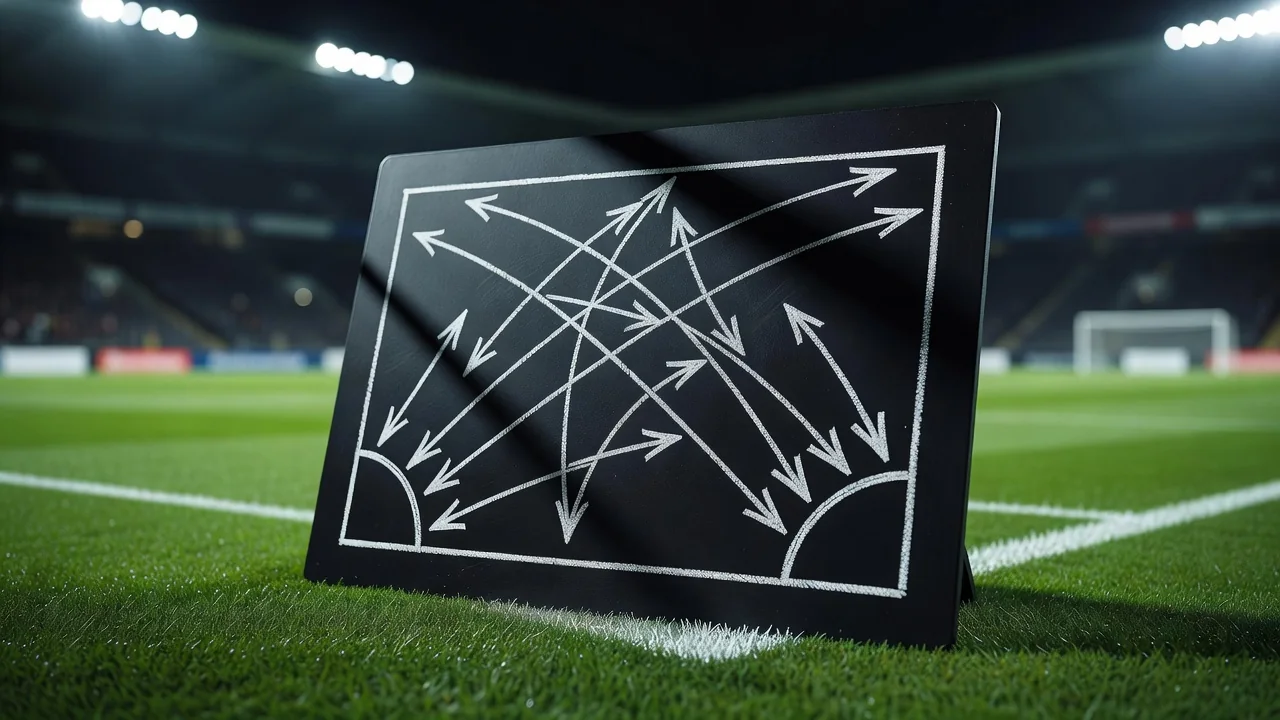
Why clubs hired specialists
The economics are simple. Set pieces account for a substantial share of goals at every level of the game, yet they were historically coached in leftover training minutes. A dedicated set-piece coach treats corners the way an offensive coordinator treats third downs: scouted opponent by opponent, rehearsed weekly, and measured by output. Clubs that invested early — with specialists designing routines and analysts mapping every opponent's marking scheme — gained an edge that showed up directly in the table.
The craft has a feedback loop with recruitment. Teams now sign centre-backs partly for their attacking threat at corners, keep tall squad players on the bench specifically for late set-piece situations, and profile corner-takers with the same seriousness as penalty specialists. The corner flag has become a department, not a detail.
The defence evolves too
Choreography meets counter-choreography. Defensive analysts decode routines from video — the trigger gestures, the starting positions, the favourite deliveries — and prepare specific answers: switching markers as the runners cross, stationing a defender on the blocker, or posting a player at the edge of the box to kill the layoff routine. The post defenders, once automatic, are now a tactical choice weighed against having an extra body marking in the box.
The goalkeeper is the other battleground. Aggressive keepers who come for corners reduce the value of inswinging deliveries; passive ones invite them. Set-piece coaches now design entirely different corner menus depending on whether the opposing keeper attacks the ball or holds his line.
| Routine element | Designed to do | Defensive counter |
|---|---|---|
| Blocker screen | Free the best header from his marker | A defender assigned to fight through the block |
| Decoy runners | Drag markers away from the target zone | Zonal defenders who pass runners on |
| Near-post flick | Turn a flat ball into a back-post chance | Front-zone defender attacking the first contact |
| Edge layoff | Create a shooting lane outside the crowd | Edge-of-box marker held out of the box |
It is worth noting how quickly the craft trickles down. Routines invented at Champions League clubs appear in lower divisions within months, decoded from broadcast footage by analysts with laptops rather than budgets. The corner is the most democratic of football's innovations: all it costs is training-ground time and a whiteboard, which is why the gap between rich and poor clubs is smallest at the corner flag.
The next time a corner produces a goal that looks like pure chaos, rewind and watch the two seconds before the kick: the signal, the block, the decoy sprint. The chaos is choreographed. Only the finish is left to chance — and the best routines are built to make even that feel inevitable.
Keep reading

Free Kick Tactics: Direct Shots, Layoffs and Decoy Runs
Not every free kick near the box should be shot at goal. The geometry of walls, layoffs and the rehearsed routines behind them.
2026-08-10
Defending Set Pieces: Zonal, Man-Marking or Hybrid?
Every coach has a religion on corners: zonal, man-to-man or a mix. What each system protects, what it risks, and why hybrids won.
2026-08-09
Throw-In Tactics: The Most Underrated Restart in Football
Liverpool hired a coach just for throw-ins — and it worked. Why the humblest restart is a set piece hiding in plain sight.
2026-08-08