
Defending Set Pieces: Zonal, Man-Marking or Hybrid?
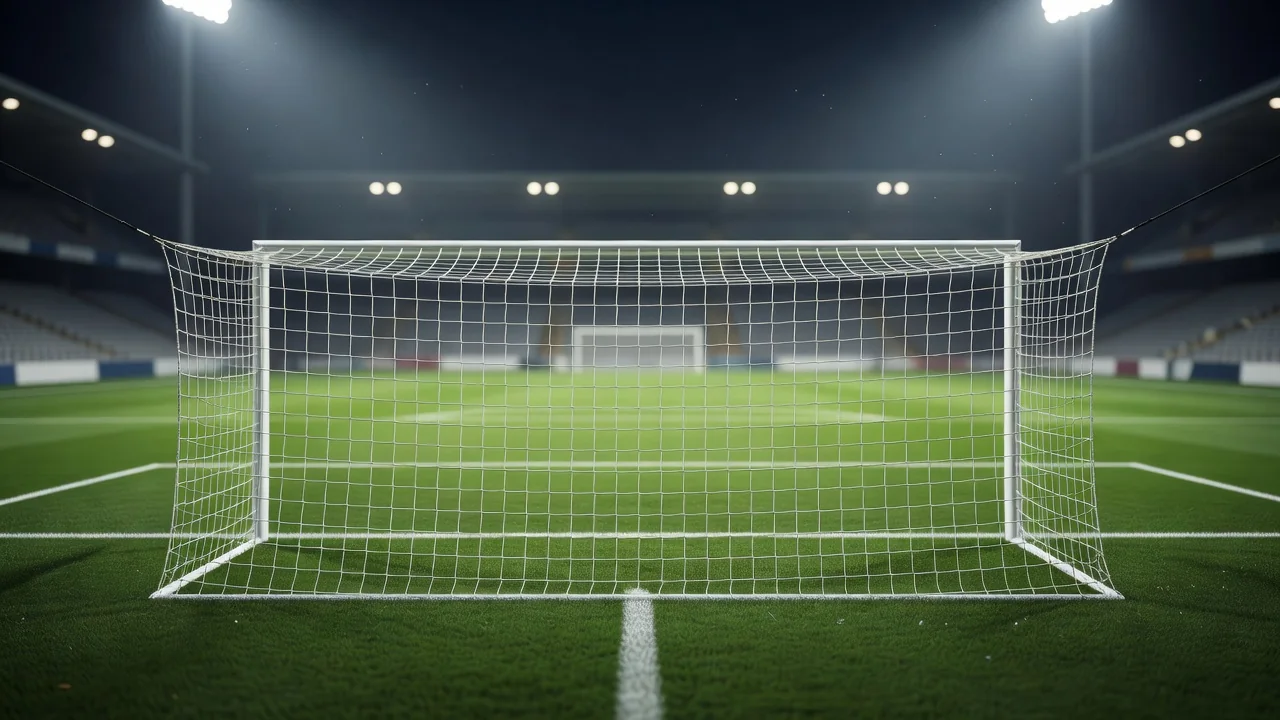
For every coach designing a corner routine, there is another losing sleep over how to stop it. Defending set pieces is football's most ideological debate: zonal marking against man-marking, with a hybrid camp claiming both sides are half right. The argument has run for decades because each system genuinely works — and each has a failure mode that shows up on television at the worst possible moment.
The stakes explain the passion. Set pieces decide a meaningful share of goals in every league, and they are the one phase where preparation should, in theory, eliminate surprise. Concede from open play and the analysis is complicated; concede from a corner and every camera finds the coach.
Zonal marking: defend the space
Zonal marking assigns each defender a zone of the box rather than an opponent. When the corner comes in, the defender attacks the ball that enters his zone, regardless of who is trying to reach it. The system's great strength is structure: the defence keeps its shape, blockers find nobody to block because there is no assigned victim, and the best headers of the ball can be stationed in the zones where deliveries most often land.
Its weakness is just as structural. A zonal defender is static while the attacker arrives at speed; the momentum of the run belongs entirely to the offence. When a zonal scheme concedes, the replay always shows a defender rooted in his zone while an attacker rises past him — and the punditry argument writes itself. Zonal marking also demands total trust: one defender abandoning his zone to chase a runner leaves a hole the routine was designed to find.
The questions that divide the coaches
- Who attacks the first ball: the zonal guardian or the matched marker?
- How do you handle the blockers that legal screens create?
- Do the post defenders stay, or does the team mark with eleven?
- Who picks up the edge-of-box shooter on the cleared corner?
- When does the goalkeeper come, and who protects him if he misses?

Man-marking: own your opponent
Man-marking takes the opposite bet: forget zones, each defender owns one attacker and follows him wherever he goes. Its appeal is accountability — when the marking is beaten, the responsibility is visible, and aggressive defenders who relish duels tend to prefer a system that gives them a personal fight. There is no momentum problem either: the marker moves with his man from the start rather than waiting in a zone.
The system's enemies are the choreographed routines. Screens and blocks exist precisely to break man-marking: the intended scorer's marker is picked off by a teammate, and the free header follows. Man-marking also drags the defence into disorder — markers pulled across the box open lanes for late runners, and the switch of assignments when runners cross is the moment most man-marked goals are actually conceded.
The hybrid settlement
Most top teams have landed on a negotiated peace: a hybrid system. The best headers of the ball hold zones across the critical central corridor, attacking any delivery that comes through it, while the remaining defenders man-mark the most dangerous runners. A player guards the near-post zone, another the edge of the box, and the assignments are rehearsed against the specific routines the video analysis expects from this week's opponent.
The hybrid's deeper logic is that it concedes the argument's premise: no system survives a perfectly executed routine, so the goal is not perfection but damage control — take away the opponent's first-choice play, force the second-choice delivery, and accept that some headers will be won by the other side. Set-piece defence, like set-piece attack, has become a discipline of probabilities rather than absolutes.
The keeper and the reset
Whatever the scheme, the goalkeeper is its capstone. An aggressive keeper who claims crosses shrinks the target zone for every delivery; a keeper who stays home forces the line to defend deeper and the zones to shrink. Coaches build the entire defensive plan around their number one's appetite for coming — and scout the opposition keeper the same way when attacking.
| System | Core strength | Signature failure |
|---|---|---|
| Zonal | Structure holds against blocks and decoys | Static defenders beaten by running attackers |
| Man-marking | Clear accountability, matched momentum | Screens break the assignments; chaos follows |
| Hybrid | Zones guard the corridor, markers chase the runners | Demands flawless communication on switches |

The zonal-versus-man debate will never be settled because it was never really about systems — it is about which mistake a coach can live with. The best defences concede the least damaging chances, whichever badge their scheme wears, and the worst ones change systems every month in search of a religion that saves them from the work of rehearsing one properly.
Keep reading

Corner Kick Routines: How Set-Piece Coaches Design Goals
Blocks, screens and decoy runs — the modern corner is choreographed like a dance. Inside the craft of the set-piece coach.
2026-08-11
Free Kick Tactics: Direct Shots, Layoffs and Decoy Runs
Not every free kick near the box should be shot at goal. The geometry of walls, layoffs and the rehearsed routines behind them.
2026-08-10
Throw-In Tactics: The Most Underrated Restart in Football
Liverpool hired a coach just for throw-ins — and it worked. Why the humblest restart is a set piece hiding in plain sight.
2026-08-08