
High Pressing Explained: How Elite Teams Win the Ball Back
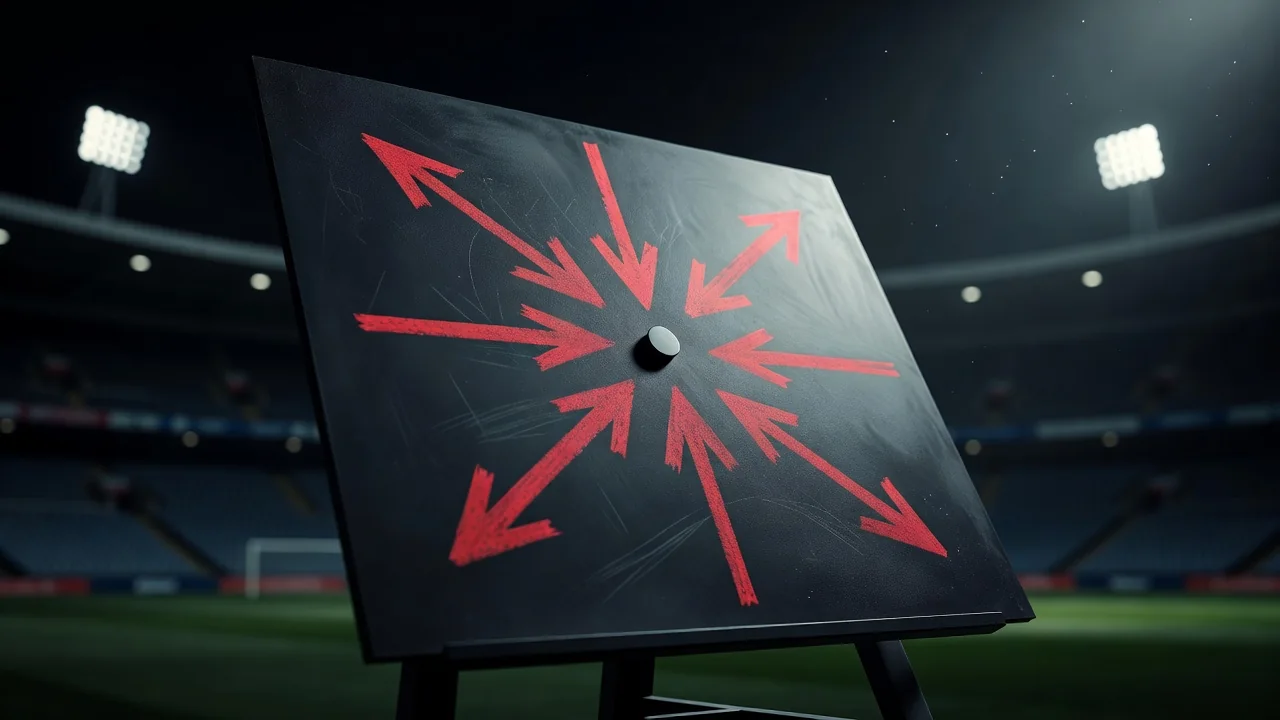
Watch Liverpool under Jurgen Klopp in their title-winning seasons and the most dangerous moments rarely start with the ball at their feet. They start the second they lose it. Three red shirts converge on the receiver before he has lifted his head, the nearest passing lane is shut by a body angle rather than a tackle, and within seconds the ball is back where Liverpool want it. That is the high press: defending used as a way to attack.
Pressing is not running hard. Every Sunday league team runs hard and gets picked apart. A real press is a collective trap with rehearsed triggers, assigned roles and an acceptance of risk behind it. This guide breaks down how the trap is built, why the counter-press became the signature of elite football, and how to read a press when you watch a match.
What a press actually is
A press is an organised attempt to win the ball in a chosen area of the pitch, usually high up, by attacking the player on the ball and his passing options at the same time. The key word is organised. The first presser almost never expects to win the ball himself; his job is to steer the play. By curving his run he uses his body as a screen — the famous cover shadow — to block the pass into midfield, and forces the ball-carrier toward the touchline or toward a teammate he would rather not use.
The touchline matters because it acts as an extra defender. Once the ball is near the sideline, the carrier can only play in 180 degrees instead of 360, and the pressing team can commit numbers with far less fear of being played around. Simeone's Atletico press rarely, but when they jump, the sideline trap is their favourite version of it.
The triggers that start the trap
Elite teams do not press everything. They wait for cues that tell them the opponent is vulnerable, and the whole side has rehearsed what those cues are:
- A back-pass to a centre-back who is facing his own goal.
- A slow or bouncing ball that needs two touches to control.
- A pass to a full-back receiving near the touchline.
- A receiver taking the ball on his weaker foot.
- A goalkeeper forced onto his weaker side during build-up.
- A square pass across the back line, which travels slowly and telegraphs the receiver.
The counter-press: winning it back in five seconds
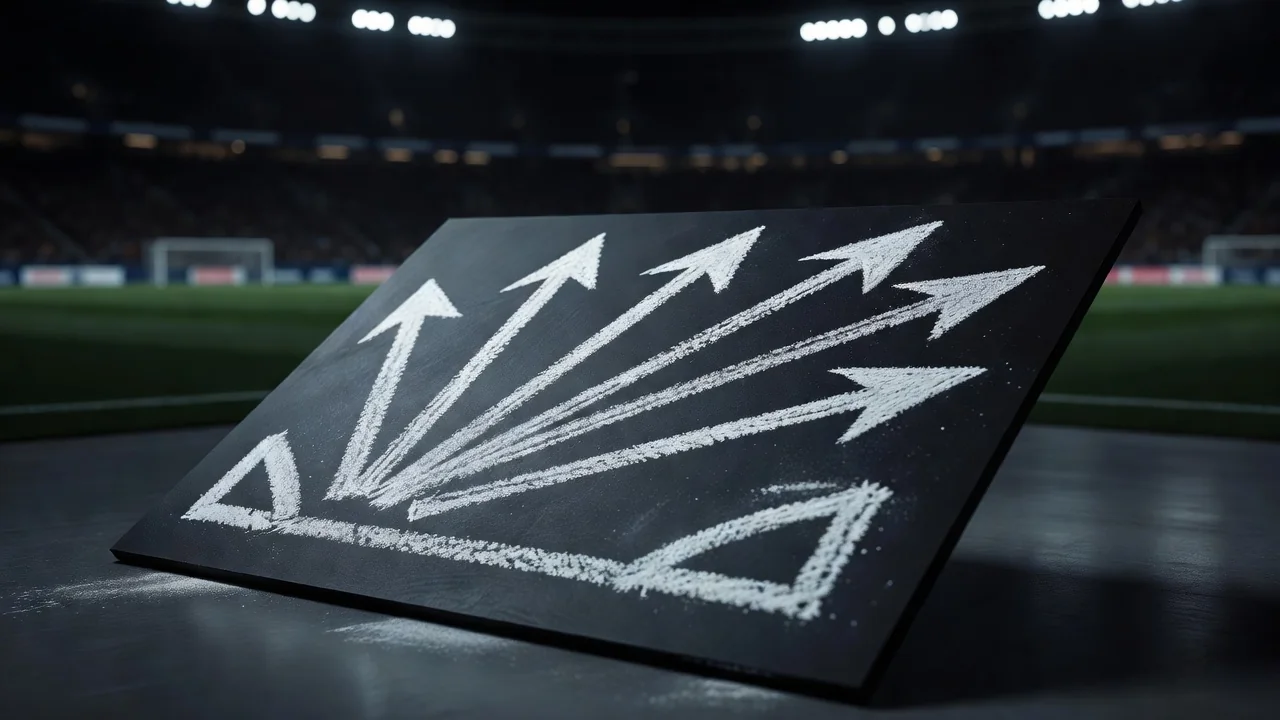
Klopp once called the counter-press the best playmaker in football, and the line survives because it is true. When a possession team loses the ball, its players are clustered where they were attacking — which means the ball is surrounded. If they react together within the first seconds, they can win it back against an opponent who has not yet sorted his own shape.
Klopp's Borussia Dortmund built their identity on this, and his Liverpool refined it: the moment of losing the ball was treated as a goalscoring opportunity, not a setback. Guardiola's Manchester City do the same thing in a different accent. Because City attack with so many players close to the ball, their counter-press smothers counters before they start — it is the main reason opponents so rarely turn a City attack into a chance of their own.
Where the press breaks
Pressing is a bet, and the stake is the space behind. A coordinated press needs the defensive line to step up and compress the pitch; if one player jumps late, the line must hold, and a single well-timed pass releases a runner into forty metres of grass. Teams with a press-resistant goalkeeper or a midfielder who can receive on the half-turn — think of how Thiago used to glide out of pressure for Bayern and Liverpool — can slice straight through the first wave.
The other cost is physical. A full-throttle pressing game demands repeat sprints from the whole front line, and sides that cannot rotate tend to fade after an hour. The smart pressing teams treat it like a weapon they choose to fire: ten minutes of intense pressure after kick-off, another burst after half-time, controlled spells in between.
How to read a press from the sofa
Forget the ball for a few minutes and watch the striker instead. If he sprints at the goalkeeper while his midfield holds a high line, the press is on. If he jogs across to block the pass into midfield without engaging, his team is only screening — a completely different intention. The table below sums up what each element of a press is trying to achieve.
| Element | Who does it | Purpose |
|---|---|---|
| Curved first run | Striker or winger | Steer play toward the touchline, hide the midfield pass |
| Cover shadow | First presser | Screen a passing lane with body position, no tackle needed |
| Second wave | Midfielders | Lock the short options, arrive as the ball is played |
| High defensive line | Centre-backs | Compress the pitch, keep the trap small |
| Counter-press | Players nearest the loss | Win the ball back within seconds of losing it |
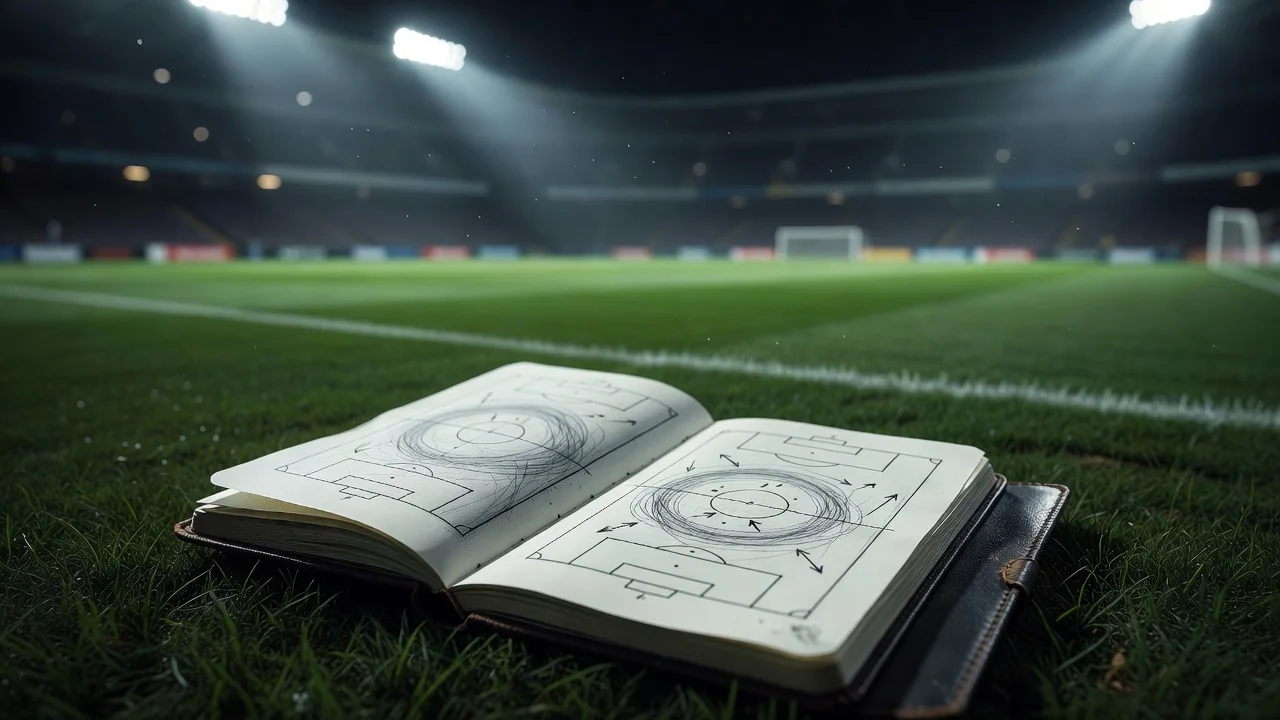
Once you see pressing as a designed trap rather than a mood, matches change. The frantic chase that looked like chaos turns out to be choreography — and the calm pass out of it, when it comes, is usually the moment the real specialists earn their money.
Keep reading
The Low Block: How Underdogs Frustrate Favourites
Simeone's Atletico built a decade on defending their own box. Why the low block works, what it demands, and how good teams finally crack it.
2026-08-30
Transitions in Football: The Five Seconds That Decide Matches
Most goals are born in the moments right after possession changes. How elite sides attack and defend the most chaotic phase of the game.
2026-08-29
Positional Play: Why Space Matters More Than the Ball
Guardiola's City rarely chase the ball — they occupy the pitch. The principles of positional play and why geometry beats running.
2026-08-28