
Positional Play: Why Space Matters More Than the Ball
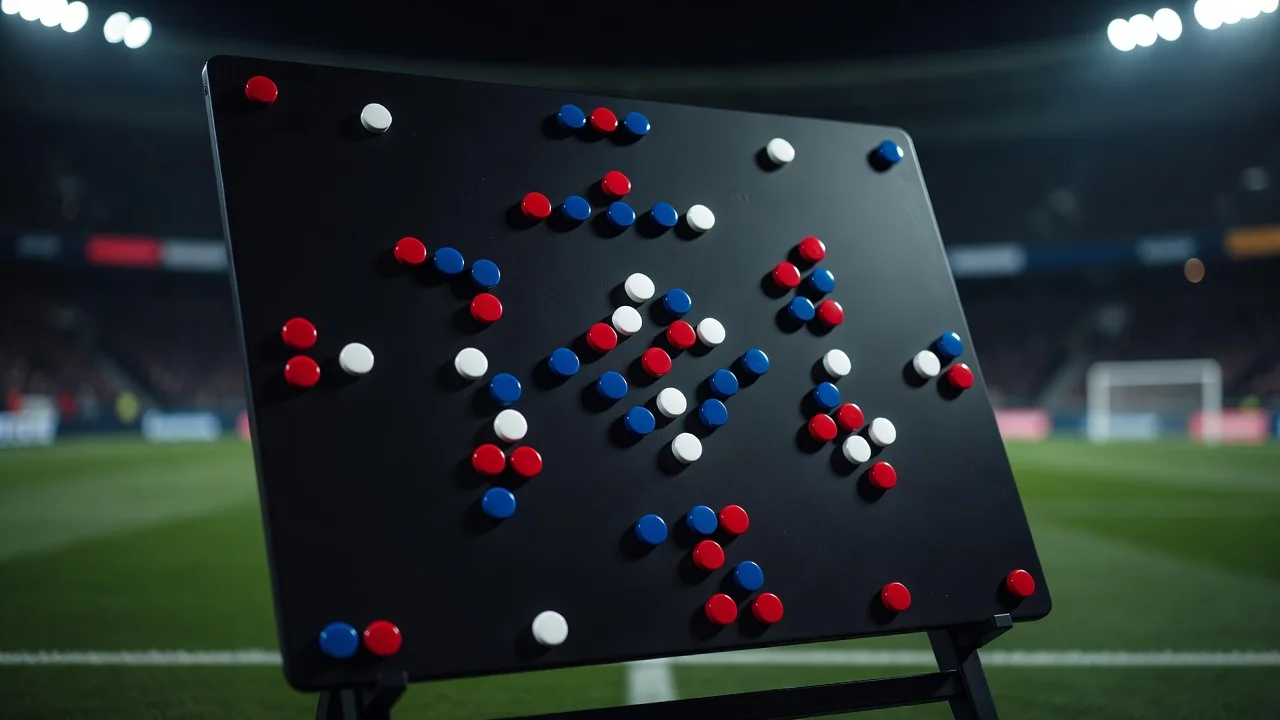
The most radical idea in modern football sounds almost like a paradox: the ball is not the point. Space is. Pep Guardiola's teams — Barcelona, Bayern Munich, Manchester City — have spent fifteen years proving that if you put your players in the right places, the ball will find its way there, and the opponent will spend the match chasing shadows. The idea has a name: positional play, or juego de posicion.
At its core, positional play is a way of organising a team so that the pitch is always stretched as wide and as deep as possible, with players stationed to receive between the opponent's lines rather than next to them. The ball is simply the tool used to move the opposition around until a gap appears.
The rules of the game within the game
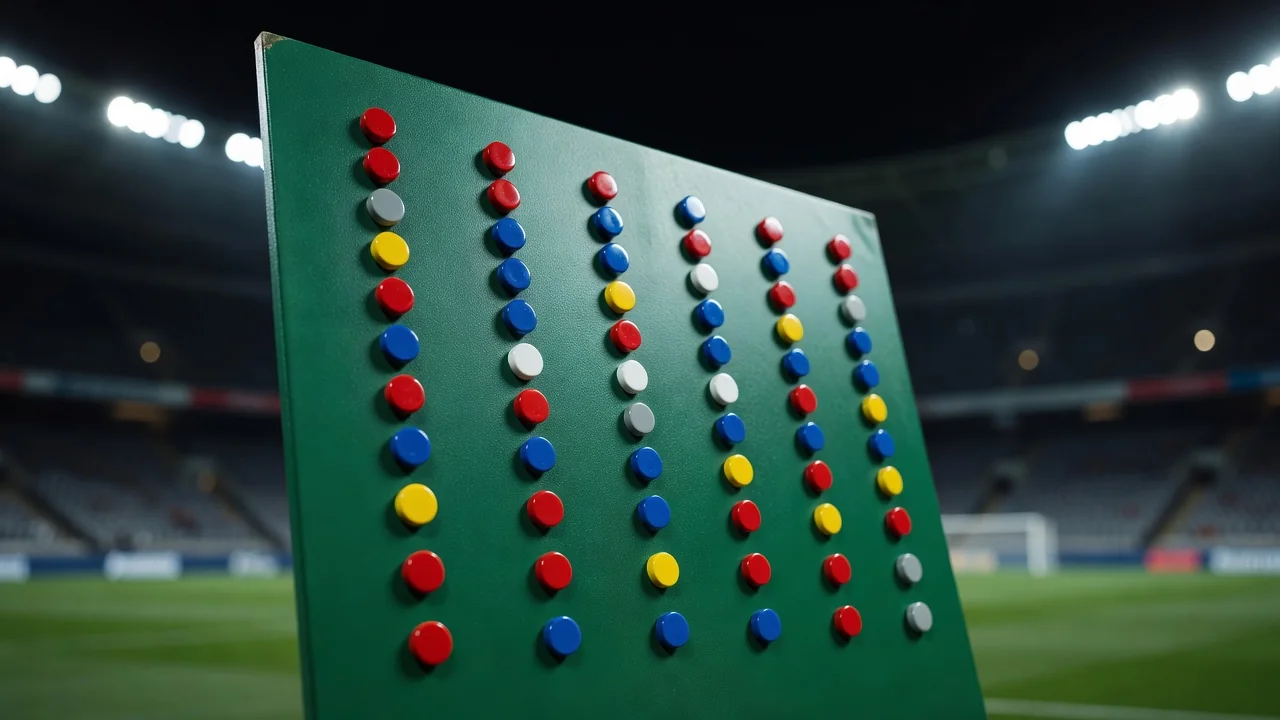
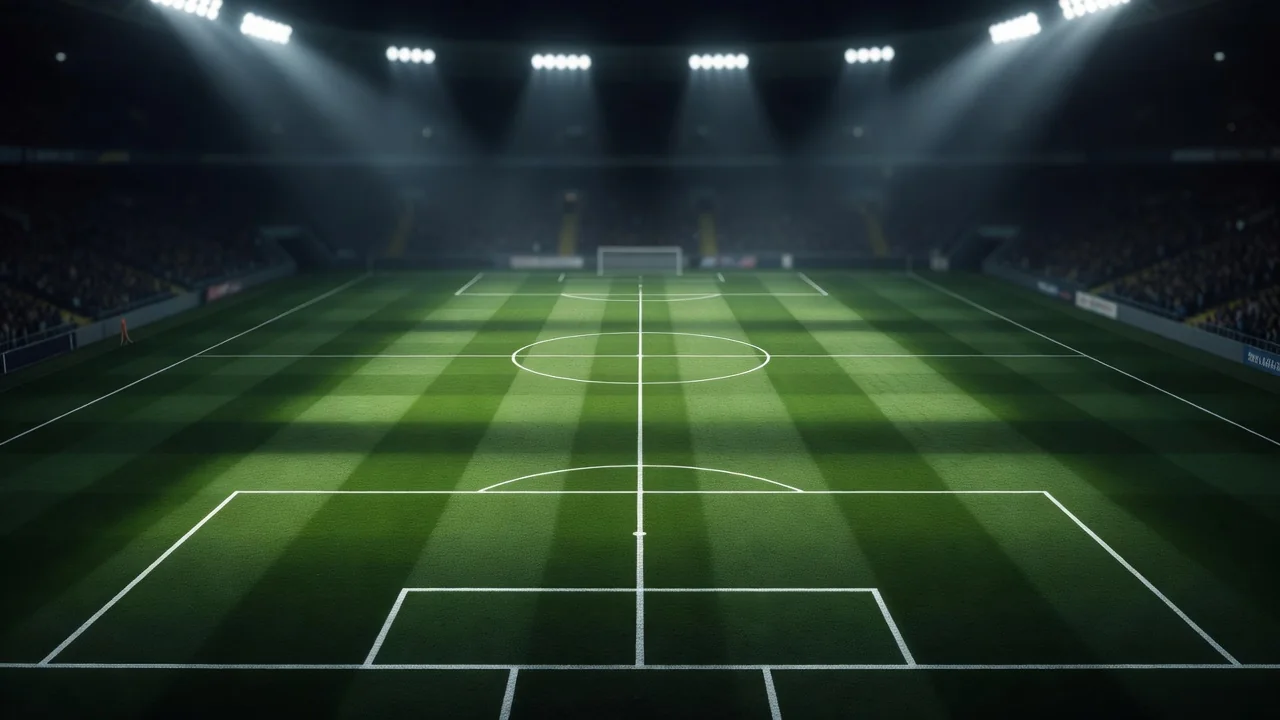
Positional play starts with a map. Coaches divide the pitch into vertical lanes — two wide channels, two half-spaces and one central corridor — and the first rule is that the two wide lanes must always be occupied. Wingers are told to hug the touchline even when the ball is on the other side, because their width pins the opposing full-backs and stretches the defensive line to its maximum.
The half-spaces, the lanes between centre and wing, are where the damage is done. A player receiving there faces the goal diagonally, can play in every direction, and forces a defender to make an impossible choice: step out and leave a gap, or hold and let him turn. Kevin De Bruyne built his best City seasons on owning the right half-space; David Silva did the same on the left.
The principles that never change
- Maximum width in possession, always.
- No more than two players on the same horizontal line.
- No more than three players in the same vertical lane.
- The ball moves to draw pressure, then breaks the line that pressed.
- Players behind the ball stay connected, ready to counter-press.
Superiority: the real objective
Every pattern in positional play serves one of three superiorities. Numerical superiority means simply having more players around the ball than the opponent — the goalkeeper becomes an extra outfielder in build-up precisely to create it. Qualitative superiority means isolating your best player against their weakest, one against one in space. Positional superiority is the subtlest: putting a teammate where his body shape and the angle of the pressure make him nearly impossible to dispossess, even without a numbers advantage.
When you watch City patiently recycle the ball at the back, this is what they are doing — not passing for its own sake, but waiting for the pressing team to commit, so that the next pass finds a free man between the lines. The patience is the trap.
What it demands and where it can fail
Positional play is brutally demanding. Players must hold their zones even when instinct says chase the ball, which is why Guardiola's squads talk about the first months under him as a kind of reprogramming. A single player abandoning his station collapses the whole structure — suddenly two teammates occupy the same lane, the passing angle disappears, and the opponent's block looks comfortable again.
Its weakness is the mirror of its strength. Because the team commits to positions, losing the ball in the wrong zone can leave huge spaces unprotected, which is why the counter-press is not an optional extra but a structural necessity. And against a disciplined low block that simply refuses to be drawn out, positional play can shrink into sterile domination — the pass maps look beautiful, the shot count does not.
| Concept | What it means | Classic example |
|---|---|---|
| Half-space | Lane between centre and wing, ideal for receiving turned | De Bruyne's right channel at City |
| Numerical superiority | More players than the opponent around the ball | Goalkeeper joining the build-up line |
| Qualitative superiority | Best player isolated against a weaker defender | Winger left one-against-one wide |
| Positional superiority | Receiving with body shape that beats the pressure | Pivot taking the ball behind the pressing striker |
| Rest defence | Players held back in possession to stop counters | Two centre-backs plus a pivot behind the attack |
From Cruyff to the present day
The idea did not start with Guardiola. Johan Cruyff's Barcelona of the early nineties already spoke about occupying zones rather than marking men, and Louis van Gaal's Ajax turned the same principles into a Champions League title. Guardiola, who played under both, refined the system and added the modern counter-press that makes it defensible. Every positional team since — from Xavi's Barcelona to Arteta's Arsenal — is a branch of that tree.
What has changed is the opponent. In Cruyff's era most rivals defended with a spare man and little coordinated pressing, so positional teams had time on the ball. Today they face presses designed specifically to attack the build-up structure, which is why the goalkeeper as an extra passer and the inverting full-back have become standard answers.
Positional play is not the only way to win, and its imitators have produced plenty of slow, harmless possession. But its central insight has become the grammar of the modern game: you do not chase the ball, you occupy the pitch, and you let geometry do the running.
Keep reading
High Pressing Explained: How Elite Teams Win the Ball Back
From Klopp's Liverpool to Guardiola's City, the high press turned defending into an attacking weapon. How the trap works and why it sometimes fails.
2026-08-31
The Low Block: How Underdogs Frustrate Favourites
Simeone's Atletico built a decade on defending their own box. Why the low block works, what it demands, and how good teams finally crack it.
2026-08-30
Transitions in Football: The Five Seconds That Decide Matches
Most goals are born in the moments right after possession changes. How elite sides attack and defend the most chaotic phase of the game.
2026-08-29