
Hybrid Formations: Attacking in One Shape, Defending in Another
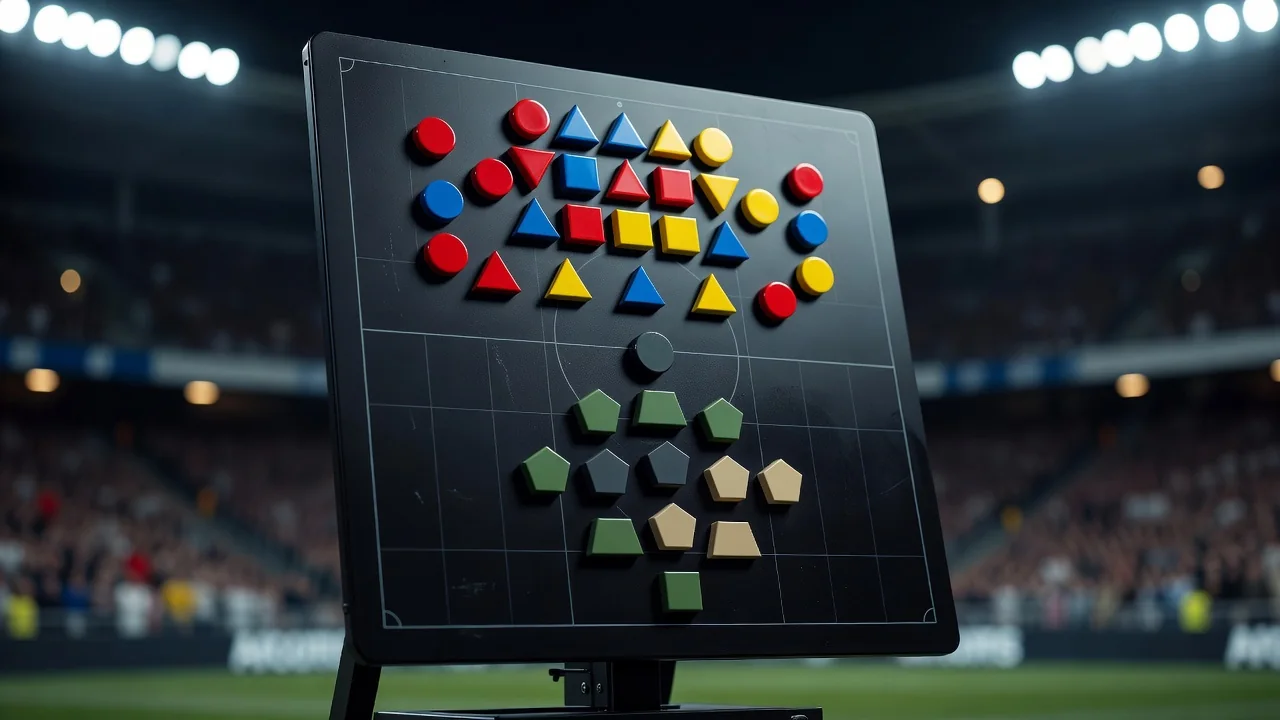
Look at the teamsheet before a top match and you will see a familiar string of numbers: 4-3-3, 4-2-3-1, 3-5-2. Then the game starts, and within five minutes the team on the pitch is something else entirely — a 3-2-5 with the ball, a 4-4-2 without it, shapes the announcer never mentioned. Welcome to the era of the hybrid formation, where the number on the teamsheet is a starting point rather than a description.
A hybrid formation is a system that changes structure depending on the phase of play. The same eleven attacks in one shape and defends in another, and the transitions between the two are choreographed as carefully as any set piece. It is the logical endpoint of a tactical culture that realised formations were always snapshots of a moving picture.
Why one shape stopped being enough
The driver is the escalation between pressing and build-up. Possession teams want extra bodies in midfield to play through pressure; defensive phases demand width and numbers behind the ball. A single static formation must compromise on one of those needs — so the leading sides stopped compromising. Instead they move players between lines as the ball moves, getting the overload when they have it and the shell when they do not.
Guardiola's Manchester City made the idea famous with the inverting full-back: in possession, a full-back steps into central midfield, turning a back four into a back three and a midfield three into a box of four. The team attacks with a 3-2-4-1, then the same full-back sprints back to the flank when possession is lost and the 4-3-3 reappears. One player, two formations, ninety minutes of commuting.
The transformations you see every weekend
- Full-back inverting into midfield to form a 3-2 build-up base.
- Centre-back stepping into midfield to create a back three in possession.
- Winger dropping to the full-back line to make a back five without the ball.
- Number ten falling beside the pivot to turn a 4-2-3-1 into a 4-3-3.
- Striker splitting wide in build-up, leaving a midfielder as the highest player.

The box midfield and the 3-2-5
The signature attacking structure of the hybrid era is the 3-2-5: three defenders, a midfield square of two holders and two eights, and a front five stretched across the width of the pitch. Five players on the last line occupy every gap in the defence — both touchlines, both half-spaces, the centre — while the box midfield behind them guarantees passing angles in every direction and a counter-press ready to smother any loss.
Arsenal under Mikel Arteta and Guardiola's City both build toward this picture, arriving there by different routes: one moves a full-back inside, the other pushes a centre-back up. The destination is identical, which tells you the shape is not a fashion but a solution — the current best answer to the question of how to attack a set defence without dying on the counter.
What hybrids demand from players
The cost of structural flexibility is cognitive. A player in a hybrid system must know two positions intimately: where he stands in possession and where he sprints to without it, plus the triggers that send him between them. This is why hybrid teams recruit intelligence as deliberately as technique, and why new signings often need months before the coach trusts them with the full job description.
Certain roles have become specialist positions in their own right. The inverting full-back needs a midfielder's passing range and a defender's recovery speed. The hybrid centre-back who steps into midfield must read the game like a six while defending like a four. These profiles barely existed on transfer shortlists a decade ago; now they command premiums precisely because so few players can genuinely do both jobs.
The risks of living between shapes
Every transformation is a moment of vulnerability. The second the full-back steps inside, the flank he left is open until the winger or the nearest midfielder covers it; a well-coached opponent targets exactly those instants, playing into the vacated lane while the shape is mid-commute. Hybrid systems also degrade badly with fatigue: the commutes get slower, the gaps stay open longer, and by the final quarter of a draining match the elegant two-shape machine can look like simple disorganisation.
| Hybrid mechanism | Shape with the ball | Shape without it |
|---|---|---|
| Inverting full-back | 3-2-4-1 with a box midfield | 4-3-3 or 4-4-2 |
| Stepping centre-back | 3-2 build-up with a free man | Back four restored |
| Dropping winger | Front five stretched wide | 5-4-1 defensive shell |
| Falling number ten | 4-2-3-1 with a pocket player | 4-3-3 or 4-5-1 midfield block |
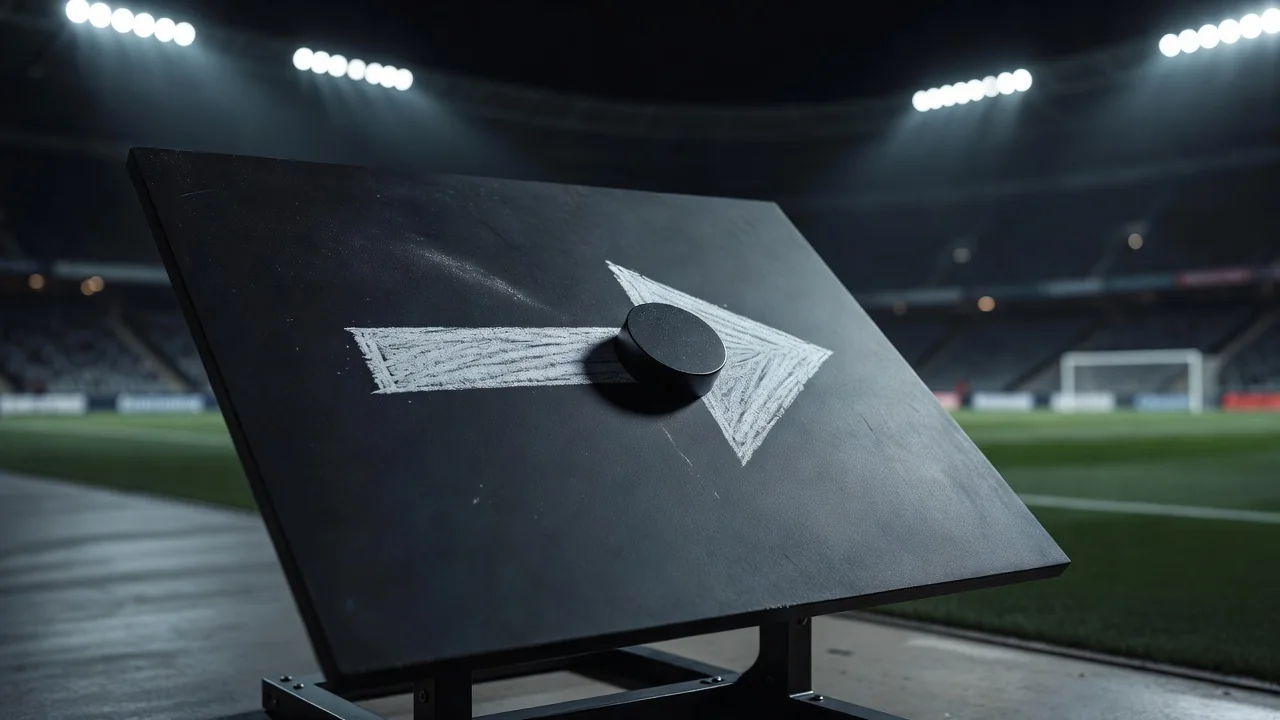
The lesson of the hybrid era is that formations were never cages, only starting coordinates. The teamsheet still prints 4-3-3 because something has to go in the programme — but the real formation is the journey between two shapes, and the best players in the world are now the ones who make that journey fastest.
Keep reading
4-3-3 Formation Explained: Strengths, Weaknesses, Variants
The shape of Barcelona's great sides and most of modern football. Why the 4-3-3 dominates, and the midfield balance it secretly depends on.
2026-08-21
3-5-2 Formation Explained: Wing-Backs and Midfield Overloads
Italy's old love, Conte's weapon, the shape of two strikers. The 3-5-2 lives and dies on the legs of its wing-backs.
2026-08-20
4-2-3-1 Formation Explained: The Modern Default Shape
Two holders, a creator, a striker — the 4-2-3-1 became football's safest choice. Why so many coaches start here and what it costs.
2026-08-19